PPE in the Chemical Industry
Chemical, thermal, and respiratory hazards demand precise PPE. Here's how to specify it.
Industrial safety is never the result of a single decision. It is the product of the right protection, worn correctly, by people who understand the risk - backed by systems that catch what individuals miss. PPE in the Chemical Industry sits inside that bigger picture in Chemicals: getting products, competence, and culture to work together.
Start with the hazard, not the product
The fastest way to waste a safety budget is to buy equipment before understanding exposure. ASE begins with the work as it is actually done in Chemicals - the tasks, the environment, the shift patterns - and matches protection to the real risk a role faces, not a generic checklist.
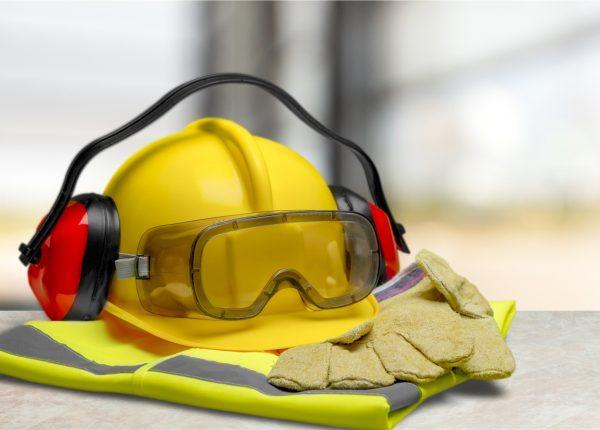
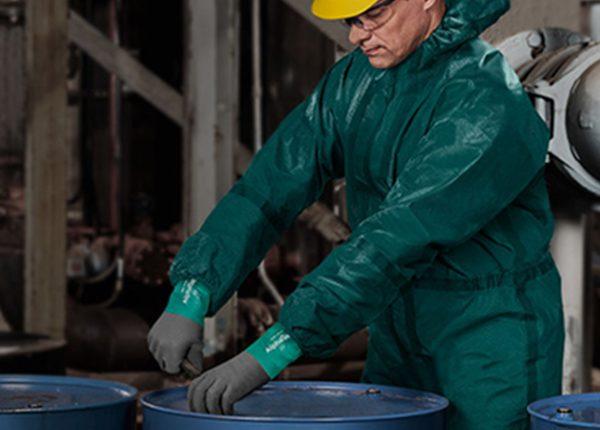
That is why a PPE survey, not a price list, is the right first step. Specifying hand, eye, respiratory, fall, or body protection around exposure, fit, and comfort is what turns 'issued' into 'actually worn' - and unworn PPE protects no one.
Protection that isn't comfortable, usable, and matched to the task gets taken off. The right specification is the difference between compliance on paper and safety on the floor.
Protection is a system, not a purchase
Equipment is one layer. Competency, culture, audits, and crisis readiness are the others - and they reinforce each other. A team that understands why a control exists follows it when no one is watching; an audit that finds drift early prevents the incident a procedure alone would not.
This is the logic of Safety 360: connect product selection, training, culture, management systems, and response into one operating loop, so an improvement in one layer compounds across the others.
Across high-hazard sites, the same principles separate real protection from paperwork:
- Match PPE to role, exposure, comfort, and standard - so it is worn every shift.
- Build competence until safe practice is visible in the work, not just the records.
- Strengthen culture so the right choice is made before supervision is needed.
- Audit for drift early, and rehearse the crisis before it arrives.
Safety is not a box to tick; it is a promise that every worker goes home whole. In Chemicals, ASE helps make that promise dependable - with the right products, the right training, and the Safety 360 system that holds them together.